Perspective beyond the headlines
Context, experience, and guidance for people who want to understand before they act.


Gen Z and the American Dream: What's Really Going On
.png)



Gen Z and the American Dream: A Generation Building a New Path
If you've talked to a Gen Z client lately and walked away thinking they just don't want a house, I'd ask you to look at the numbers again. Because the data tells a different story, and it's one every realtor, lender, and parent of a 24-year-old needs to understand.
I read a piece this month from Daryl Fairweather, chief economist at Redfin, and I haven't stopped thinking about it. Her argument isn't that Gen Z is lazy or checked out. It's that they looked at the path their parents took, school, job, promotion, mortgage, house, and correctly figured out it doesn't lead where it used to. So instead of following a road that goes nowhere, they're building a different one.
The numbers behind the doubt
Let's start with what Gen Z is actually looking at when they open a real estate app.
In Los Angeles, 99% of homes for sale are unaffordable to a family earning the local median income. In New York, it's 92%. In Boston, 89%. These aren't fringe markets. These are the cities where millions of young adults are trying to start careers, build families, and put down roots.
And it's not just a coastal problem. Only 39% of 28-year-old Americans own a home today, compared to 43% of Gen Xers and 44% of Baby Boomers at the same age. That gap didn't close. It's getting wider.
If you were 24 and saw those numbers every time you searched for a starter home, would you feel behind, or would you feel like the finish line moved without telling you?
What "economic nihilism" actually means
Fairweather names something I've watched play out in real conversations for years: economic nihilism. It's the idea that when the traditional markers of success feel permanently out of reach, people stop reaching for them.
Researchers at the University of Chicago and Northwestern found that a lack of affordable housing directly drives this response. It shows up as higher spending, less long-term effort, and more risk-taking, not because people don't care about their future, but because the path to that future stopped making sense.
This is the part that matters most for anyone in real estate or lending. When a Gen Z buyer tells you they're not sure homeownership is for them, that's not disinterest talking. That's a rational response to a broken incentive structure. Understanding the difference changes how you show up for them.
A generation that's seen this before
Here's the part that gives me real hope, because I've lived a version of it myself.
Fairweather draws a direct line to her own Millennial generation, who graduated into the Great Recession with record unemployment and a mountain of student debt. They adapted. They job-hopped, started businesses, went back to school, and waited it out. By 2015 the job market had recovered, and today a 44-year-old Millennial is just as likely to own a home as a Gen Xer was at the same age.
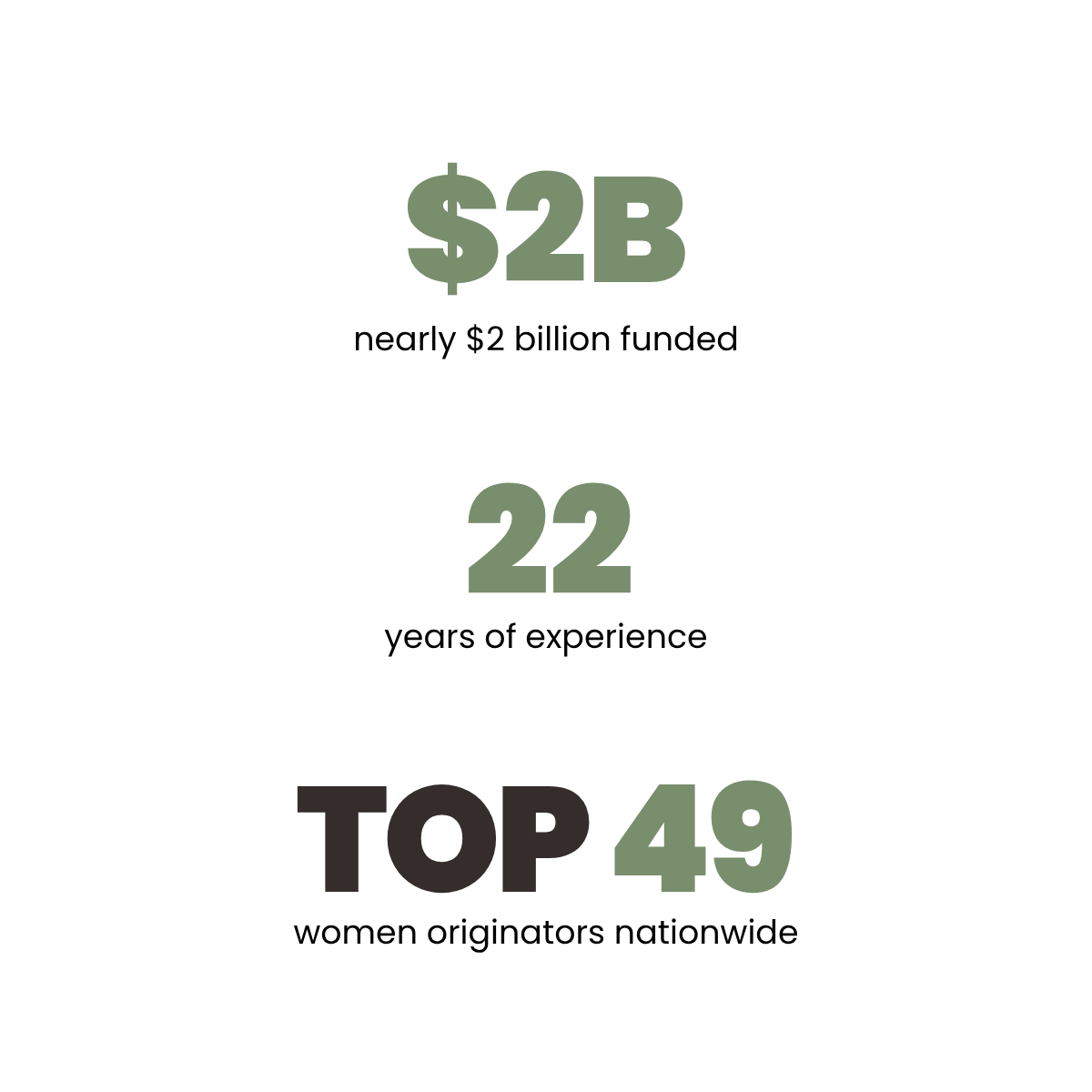
Twenty-two years in this industry means I've watched more than one generation get written off too early. The path bends. It doesn't disappear.
When success looks like luck instead of effort
One stat from Fairweather's piece stopped me cold. Fewer than 6 in 10 recent Gen Z and Millennial homebuyers used money they personally earned to fund their down payment. The rest leaned on family gifts, inheritance, or crypto gains.
Think about what that does to someone's motivation. If the person next to you got their down payment from a windfall instead of years of saving, the old connection between hard work and reward starts to feel broken. Not because Gen Z stopped valuing effort, but because the scoreboard stopped making sense.
This is exactly why the conversation can't just be "save more, work harder." It has to be a real strategy conversation about what's actually possible for this specific person, with this specific income, in this specific market.
The path is changing, not disappearing
Here's where I land on the optimistic side, and where Fairweather does too.
The income needed to afford a median-priced home is already declining in 2026. Redfin economists project affordability will keep improving as incomes grow faster than housing payments and Baby Boomer wealth begins transferring to the next generation. Gen Z will inherit those homes, renovate them, and redefine what ownership looks like on their own terms.
Fairweather's closing argument is about policy: we need more housing types. Duplexes, ADUs, condos, and units sized for how people actually live now, not the postwar suburban template built for a household structure most Americans no longer have. Loosening single-family zoning means more on-ramps to ownership, whatever ownership ends up looking like for this generation.
What this means if you're the one buying, or the one guiding someone who is
If you're Gen Z reading this and wondering whether homeownership is even worth chasing, here's what I want you to know. The traditional path being harder doesn't mean there isn't a path. It means the strategy has to be smarter, more personalized, and built around your actual numbers instead of a formula built for a different generation.
If you're a realtor or referral partner working with younger buyers, this is your opening. These buyers aren't indifferent. They're overwhelmed, skeptical, and waiting for someone to show them a realistic way forward instead of another generic "just get pre-approved" pitch.
That's the exact conversation I'm built to have.
I want to hear from you. If you're a Gen Z reader, does this match what you're seeing in your own search, or does it feel different where you are? And if you're a realtor or fellow lender, what are you telling younger buyers who feel like the timeline doesn't add up anymore? Drop it in the comments. I read every one.
If you've been sitting with the question of whether now makes sense for you, I'd love to be the conversation that actually helps. I'll translate the headlines. You make the decision. Reach out at padi@ccm.com and let's figure out what makes sense for your situation.
Source: Daryl Fairweather, Chief Economist at Redfin, "Gen Z Is Creating a New Path to Prosperity," Forbes, June 2026.

.png)
.png)

Clarity for Every Market Cycle
Thoughtful insight for decision makers.

Mortgage insight shaped by over $2 billion in funded loans.