Perspective beyond the headlines
Context, experience, and guidance for people who want to understand before they act.


Oil Prices, Inflation, and What It Means for the Housing Market



Oil Prices, Inflation, and What It Means for the Housing Market
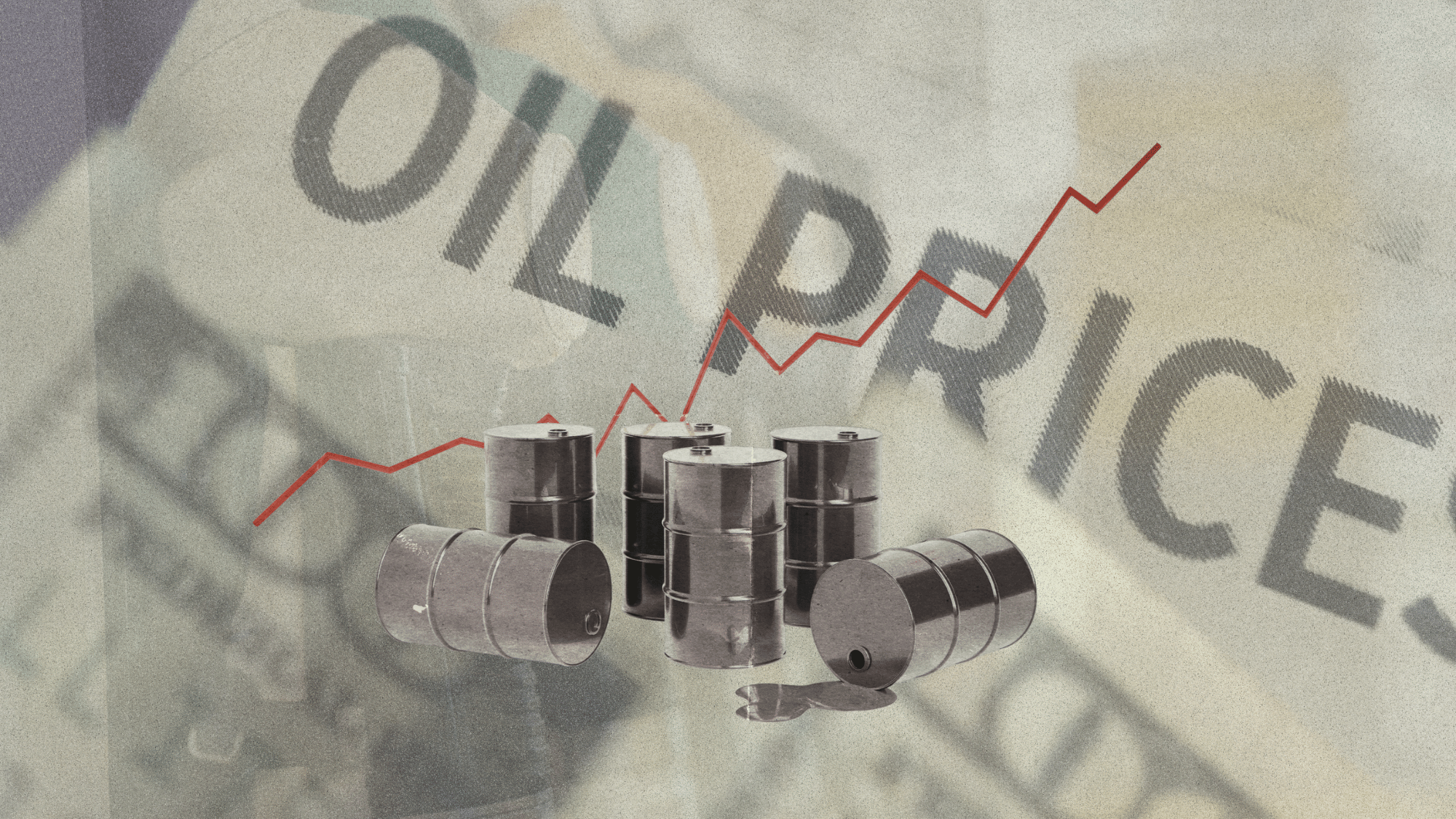
Oil prices eased this week after some of the geopolitical tension around Iran was resolved. On January 19, WTI crude dropped from $62 to $58 per barrel and is now hovering around $59-60. Despite the pullback, oil prices remain up month-to-date, which could contribute to some January inflation pressures.
The question now is when lower oil prices will trickle down to the pump. For the moment, gasoline and fuel prices are already dropping due to lower demand during the winter season and lower production costs for the winter blend. If global risks continue to stabilize, we could see even more disinflationary pressures around fuels and transportation. Inflation in the data is already hitting below 1.5% year over year.
Why This Matters for Housing
Energy prices don't just affect what you pay at the gas station. They ripple through the entire economy, including the housing market. Here's how:
Inflation drives Fed policy, and Fed policy influences mortgage rates. When inflation runs hot, the Fed keeps rates higher for longer. When inflation cools, it gives the Fed room to ease. With inflation now below 1.5% year over year, we're seeing conditions that could support further rate cuts and downward pressure on mortgage rates. That's good news for buyers and for anyone looking to refinance.
Lower fuel costs ease household budgets. For families already stretched thin by high housing costs, relief at the pump means more room in the monthly budget. That can be the difference between qualifying for a mortgage and falling just short. It also reduces pressure on renters, which in turn affects demand dynamics in the housing market.
Construction costs benefit from lower energy prices. Building homes requires moving materials, running equipment, and manufacturing products that are energy-intensive. When fuel costs drop, builders see some margin relief, which can help keep new construction moving even in a challenging rate environment.
The Bigger Picture
We're in an interesting moment. Oil prices are stabilizing. Inflation is cooling faster than many expected. The Fed has room to maneuver. None of this guarantees lower mortgage rates tomorrow, but the conditions are lining up in a way that favors improvement over the coming months.
For buyers on the sideline, this is worth watching. The combination of cooling inflation, easing energy costs, and a Fed that has already cut rates multiple times creates a more favorable backdrop than we've seen in years. The window may not stay open forever, especially if global risks flare up again or demand surges back.
As always, the best time to buy is when you're ready and the math works for your situation. But the macro environment is becoming more supportive, and that's a story worth paying attention to. All eyes on PCE this week.
See you on the webinar, Thursday at 10 AM PST.

.png)
.png)

Clarity for Every Market Cycle
Thoughtful insight for decision makers.

Mortgage insight shaped by over $2 billion in funded loans.