Perspective beyond the headlines
Context, experience, and guidance for people who want to understand before they act.


What Ray Dalio's "Changing World Order" Means for Homeowners
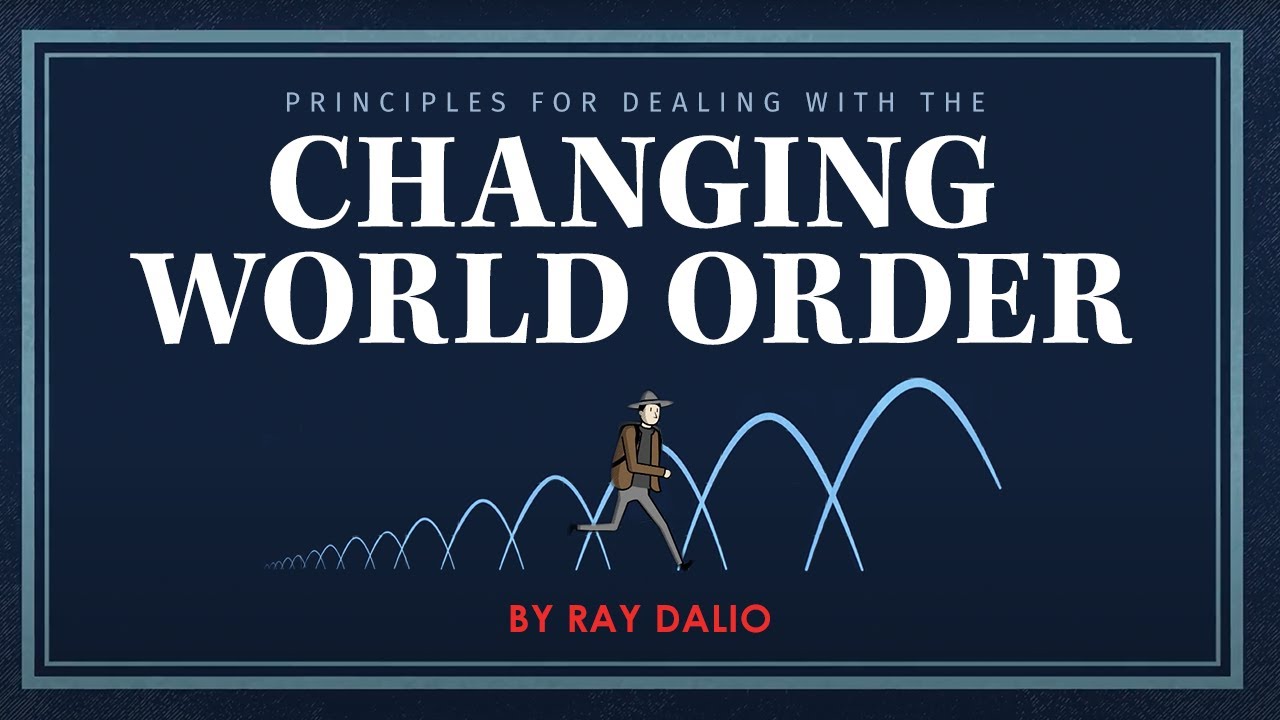


What Ray Dalio's "Changing World Order" Means for Homeowners
Ray Dalio, founder of the world's largest hedge fund, has spent years studying the rise and fall of empires and the economic cycles that accompany them. His thesis is straightforward: we are in the late stages of a long-term debt cycle, and the signs are everywhere. Trade wars. Political polarization. A widening gap between the rich and the poor. Growing distrust in institutions. These aren't random events. According to Dalio, they're predictable markers of a world order in transition.
So what does this mean if you own a home or are thinking about buying one?
Real Assets Matter in Times of Uncertainty
When currencies lose purchasing power and inflation erodes savings, real assets like real estate tend to hold value better than cash sitting in a bank. A home is not just shelter. It's a tangible asset that historically appreciates over time and provides a hedge against inflation. Your mortgage payment stays fixed while rents rise around you. That's a form of financial protection that renters don't have.
The Wealth Gap Is a Housing Story
One of Dalio's key indicators of instability is the growing divide between those who own assets and those who don't. In America, that divide runs right through housing. Homeowners have built generational wealth through appreciation and equity. Renters have watched prices climb further out of reach. If you're on the ownership side of that equation, you're positioned to weather volatility better than most. If you're trying to get there, the window may be narrower than it feels.
Volatility Is Not the Same as Collapse
Dalio's framework can sound alarming, but it's worth remembering that transitions take decades, not months. Markets will swing. Rates will fluctuate. Policy will shift. But people will still need homes. Families will still want stability. Communities will still form around ownership. The long-term fundamentals of housing, particularly in supply-constrained markets, remain intact even when the headlines feel chaotic.
What This Means Practically
If you own a home, stay the course. Don't make emotional decisions based on short-term noise. Your home is a long-term asset in a world where long-term thinking is increasingly rare.
If you're looking to buy, don't wait for perfect conditions. They won't come. Rates may dip, but prices are unlikely to crash in any meaningful way given the supply shortage we're facing. Locking in a fixed-rate mortgage today means locking in certainty in an uncertain world.
If you're an investor, be thoughtful about leverage and location. Not all markets will perform equally. Focus on areas with job growth, population inflows, and limited new construction.
Dalio's message isn't doom and gloom. It's a call to be eyes-open about where we are in the cycle and to position yourself accordingly. For most families, that means owning real assets, reducing unnecessary debt, and thinking generationally. Homeownership has always been one of the most reliable paths to stability and wealth in America. That's not changing, even if the world around us is.

.png)
.png)

Clarity for Every Market Cycle
Thoughtful insight for decision makers.

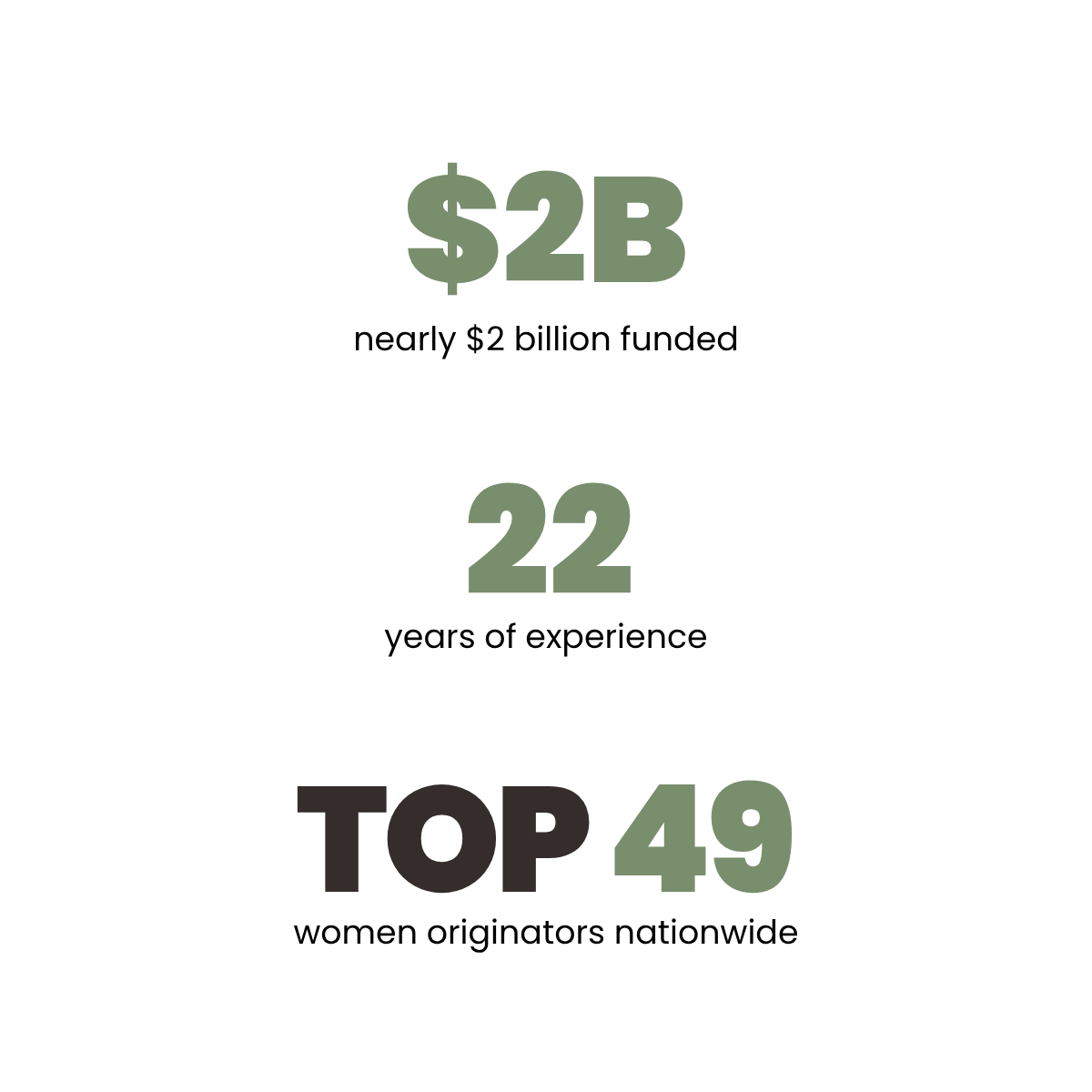
Mortgage insight shaped by over $2 billion in funded loans.