Perspective beyond the headlines
Context, experience, and guidance for people who want to understand before they act.


THE FED MEETING IN MARCH
.png)



What to Expect With the Upcoming Fed Meeting in March
The Federal Reserve's next meeting is a two-day session on March 17-18 and it's shaping up to be one of the most closely watched meetings of the year.
The short answer: don't expect a rate cut.
Traders are now pricing in roughly a 97.4% probability that the Fed holds rates steady at 3.50%-3.75% at this meeting. That means the market has essentially zero expectation of a cut this month. At their January meeting, the committee voted to hold rates unchanged, with two members, Stephen Miran and Christopher Waller, dissenting in favor of a 25 basis point cut.
So why is the Fed stuck?
The Fed is caught between two competing forces right now.
On one hand, the labor market is cooling. Total nonfarm employment growth for all of 2025 was revised down dramatically to just 181,000 jobs, down from the previously reported 584,000. That's a massive revision that tells us the job market was much weaker than we thought. Fed Chair Jerome Powell acknowledged at the January meeting that most of the labor market weakness has come from subdued hiring rather than widespread layoffs, and he noted "signs of stabilization" in the unemployment rate.
On the other hand, inflation isn't cooperating. Powell said at the January press conference that it's "hard to look at the data and say that policy is significantly restrictive right now." In plain English: the Fed doesn't think interest rates are squeezing the economy hard enough to bring inflation back to their 2% target.
Now add the Iran conflict to the mix.
Former Treasury Secretary Janet Yellen warned this week that the escalating conflict with Iran could complicate the Fed's ability to cut rates, as rising oil prices feed directly into inflation expectations. Minneapolis Fed President Neel Kashkari, a voting member this year, said he came into 2026 expecting one rate cut, but now says the Iran situation creates real uncertainty for that outlook. He put it bluntly: if headline inflation stays elevated for an extended period, coming off five years of already elevated inflation, that's a scenario the Fed needs to pay very close attention to.
U.S. Treasuries have been falling as surging oil prices prompt traders to scale back bets on more than one rate cut this year. Traders are now pushing their expectations further into the summer for when the Fed might resume cutting rates.
What does this mean for mortgage rates?
In the near term, mortgage rates are likely to stay where they are or move slightly higher. The combination of a resilient labor market, sticky inflation, and now an oil price shock from the Iran conflict gives the Fed very little room to cut. J.P. Morgan strategists don't anticipate a rate cut until summer at the earliest, and they expect only one cut total for the year.
The March meeting will also include the Fed's updated Summary of Economic Projections, their "dot plot," which shows where each Fed member expects rates to go for the rest of the year and beyond. Back in December, the Fed projected ending 2026 at 3.25%-3.50%, meaning one additional cut, and reaching 3.00%-3.25% by the end of 2027.Those projections could shift given the new geopolitical reality.
The bottom line: The Fed is in "wait and see" mode. They want to cut, but the data isn't giving them permission. The Iran conflict just made their job harder. For anyone waiting on lower mortgage rates, patience is going to be required. The best opportunities will come when the economic data clearly softens, and right now, the signals are mixed at best.
Sources: Federal Reserve Board, FOMC Minutes (January 2026), CME FedWatch, J.P. Morgan, Bloomberg, Reuters, Bankrate, Morningstar

.png)
.png)

Clarity for Every Market Cycle
Thoughtful insight for decision makers.

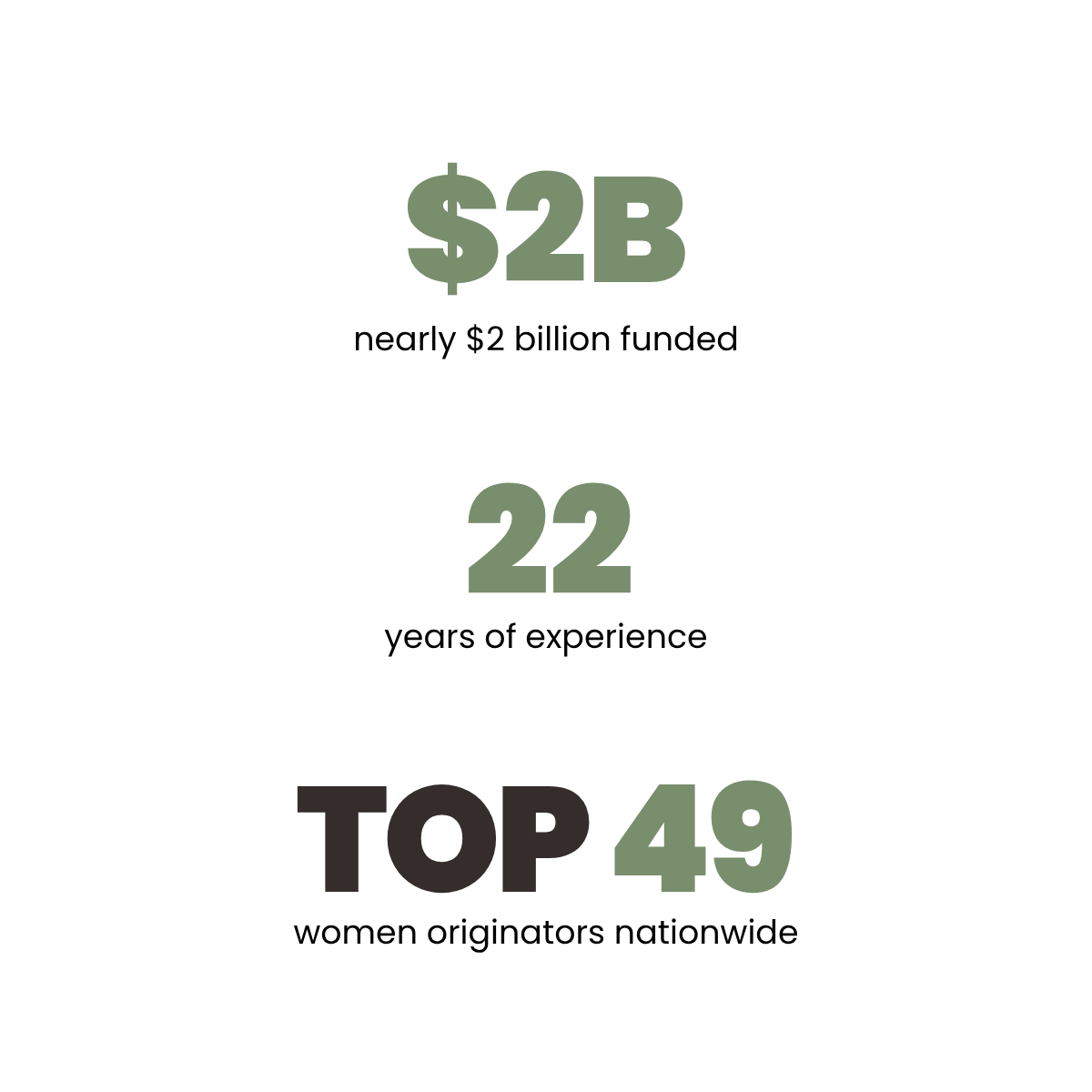
Mortgage insight shaped by over $2 billion in funded loans.