Perspective beyond the headlines
Context, experience, and guidance for people who want to understand before they act.


War and the Economy
.png)



What Happens to the Stock Market During Wars?
With everything unfolding in Iran right now, it's natural to feel uneasy about your investments. But before you panic, zoom out.

This chart shows the S&P 500 going all the way back to 1927, with every major war and geopolitical conflict marked along the way. The Chaco War, World War II, Korea, Vietnam, the Gulf War, 9/11, Iraq, Ukraine, and dozens more.
Here's what stands out: the market recovered from every single one of them.
That doesn't mean there wasn't volatility. There was. Wars create uncertainty, and uncertainty creates short-term dips. But your money isn't invested for tomorrow. It's invested for the next decade and beyond. And over that time horizon, the long-term trajectory has always been upward.
Stay the course. Don't make emotional decisions based on headlines. History has shown us, time and time again, that markets are resilient. The best thing you can do during uncertain times is stick to your plan, keep a long-term perspective, and remember that every dip on this chart eventually became a blip on the way up.
What Happens to Housing During Wartime? A Look Back 150 Years
Civil War (1861-1865)Housing construction nearly stopped in the South as resources went to the war effort. After the war ended, a massive rebuilding boom drove demand and prices higher.
Spanish-American War (1898)A short war with minimal impact on the domestic housing market. The post-war economic expansion actually boosted real estate values.
World War I (1914-1918)Home building slowed dramatically as materials and labor went overseas. After the war, a severe housing shortage drove a construction boom and rising prices through the 1920s.
World War II (1939-1945)Private home construction was essentially frozen. The government redirected all building materials to the war effort. When soldiers came home, the housing shortage was so severe it led to the greatest housing boom in American history, fueled by the GI Bill and suburban expansion.
Korean War (1950-1953)Building materials were restricted again, briefly slowing construction. Home prices held steady and resumed climbing after the conflict ended.Vietnam War (1955-1975)Housing prices rose throughout the war, driven by inflation and population growth. The real damage came after, when war-driven inflation pushed interest rates into double digits by the late 1970s.
Gulf War (1990-1991)The housing market was already in a recession. The short conflict created a brief dip in buyer confidence, but prices stabilized quickly once it ended.
War in Afghanistan (2001-2021)Housing prices boomed for most of this period. Low interest rates after 9/11 sparked one of the biggest housing runs in history, leading to the 2008 bubble. After the crash, prices recovered and eventually surpassed pre-crisis levels.
Iraq War (2003-2011)Home prices surged during the early years of the war as the Fed kept rates low. The eventual housing crash of 2008 was driven by lending practices, not the war itself.
Russia-Ukraine Conflict (2022-Present)Oil and commodity prices spiked, contributing to inflation that pushed mortgage rates from 3% to over 7%. Home prices still rose in most markets due to historically low inventory.
The Pattern?
Wars create uncertainty, inflation, and supply disruptions in the short term. But housing has proven to be one of the most resilient assets through every conflict. Homes don't lose value because of war. In fact, the inflation that often accompanies wartime has historically pushed home values higher. The biggest risk isn't the war itself. It's the interest rate environment that follows.
The bottom line for today: if you own a home, history says you're holding one of the safest long-term assets there is. If you're looking to buy, waiting for "certainty" has never been a winning strategy. There's always something happening in the world. The people who build wealth in real estate are the ones who stay in the game.

.png)
.png)

Clarity for Every Market Cycle
Thoughtful insight for decision makers.

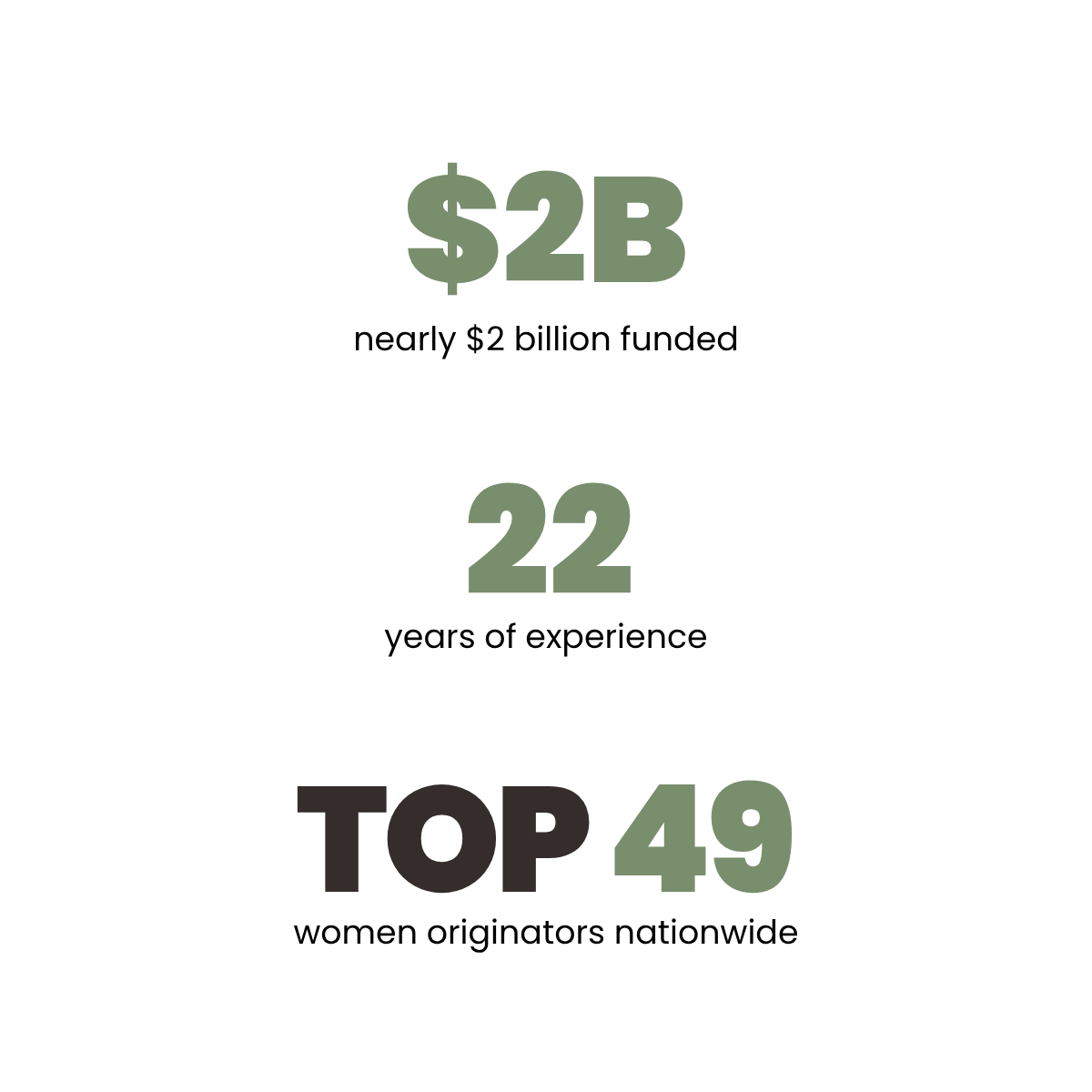
Mortgage insight shaped by over $2 billion in funded loans.